Western Herbal Medicine
What is Western Herbal Medicine?
Herbal medicine is one of the oldest forms of medicine in the world. Every culture has used plants to support health, and the knowledge of which plants help, and how to prepare them, has been passed down and refined over thousands of years. Western herbal medicine grew out of the rich healing traditions of Europe and has continued to develop alongside modern science. Many of today’s conventional medicines were first discovered in plants.
Herbal medicine takes a whole-person approach. Rather than focusing on a single symptom, a Medical Herbalist looks at how the body’s systems work together and what may be causing symptoms in the first place. The aim is to support the body’s own ability to restore balance.
In Britain, herbal medicine has been an organised profession since 1864, when the National Institute of Medical Herbalists (NIMH) was founded. It is one of the oldest professional bodies of herbal practitioners in the world. NIMH members train to degree level, follow a strict code of ethics and practice, are fully insured, and complete continuing professional development every year to keep their knowledge current.
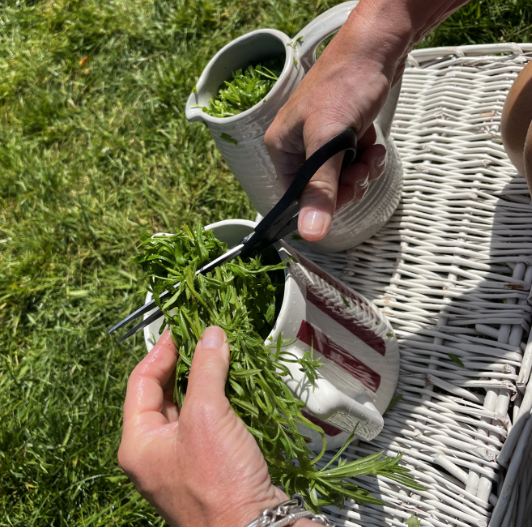
Medical Herbalists work with a wide range of plants. Leaves, flowers, roots, seeds and bark are carefully sourced from specialist suppliers and prepared as liquid extracts, dried blends to infuse at home, or capsules. Each plant contains many natural compounds that work together, and herbs are usually combined so that they complement one another.
What to expect at a herbal medicine appointment
Your first consultation
Your first appointment is thorough and unhurried. Your herbalist will ask about your health history, current symptoms, sleep, digestion, energy, diet, stress and emotional wellbeing. You may be asked about any medication or supplements you take, and to share recent blood test results if you have them.
Your herbal prescription is made up specifically for you. No two prescriptions are the same, because no two people are the same. You will also receive practical diet and lifestyle guidance to support your herbal medicine, and you take your prescription daily at home between appointments.
Follow-up appointments
Follow-up appointments are an important part of herbal care. Your herbalist will review your progress, listen to how you are feeling and adjust your prescription as things change. Appointments are usually closer together at first, then spaced further apart as things settle.
Herbal medicine consultations are available at ICOM with Jola Kaczmarek MNIMH. Book online or contact the clinic.